
The Best Online Slot Games To Play For Big Wins!

The Best Online Slot Games To Play For Big Wins!

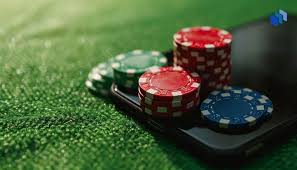
Online slots have become one of the most popular forms of online gambling in recent years. The appeal of these games lies in their simplicity, exciting gameplay, and the potential for big wins. As technology continues to advance, online slot games are becoming more innovative and offering players new and exciting experiences.

From classic fruit machines to themed video slots, there is a game for every player’s preferences. With the convenience of being able to play from anywhere at any time, online slots have truly revolutionized the way people gamble. In this article, we will explore the world of online slots, including how they work, different types of games available, and tips for maximizing your chances of winning. So get ready to spin the reels and enjoy the thrill of playing online slots!

The Evolution of Online Slots

With advancements in technology, online slots have evolved significantly over the years. What started as simple, classic fruit machines has now transformed into a wide array of themed video slots with high-quality graphics and immersive sound effects. Players can now enjoy interactive bonus rounds, engaging storylines, and even progressive jackpots that offer the chance to win life-changing sums of money. The appeal of these modern online slots lies not only in their entertainment value but also in the potential for substantial wins that keep players coming back for more. For a truly captivating online slot experience, check out situs login uus77 for a diverse selection of games that cater to every taste and preference.

Tips for Maximizing Your Winnings

While online slots are primarily games of chance, there are strategies that players can employ to increase their chances of winning. One tip is to always bet within your budget and set limits for yourself to avoid chasing losses. It’s also beneficial to take advantage of bonuses and promotions offered by online casinos to extend your gameplay and potentially boost your winnings. Additionally, choosing games with high RTP (Return to Player) percentages can improve your odds of winning in the long run. Remember to play responsibly and have fun while spinning the reels of your favorite online slots!

In conclusion, online slots have come a long way from their humble beginnings as classic fruit machines. With advanced technology and innovative game designs, players now have a wide variety of themed video slots to choose from, each offering exciting gameplay and the potential for big wins. The evolution of online slots has provided a thrilling and immersive gaming experience that continues to attract players from around the world.

To maximize your chances of winning while playing online slots, it’s important to bet within your budget, take advantage of bonuses, and choose games with high RTP percentages. By following these tips and playing responsibly, you can enjoy the thrill of spinning the reels while potentially boosting your winnings. So whether you prefer simple fruit machines or elaborate themed slots, there is a game for everyone in the world of online slots. Get ready to embark on an exciting gaming journey and see where the reels take you!

Painting Inspiration: Drawing Ideas From Life, Imagination, and Beyond

Looking for new painting inspiration? You’ve come to the right place! In this article, we’ll show you how to draw ideas from life, imagination, and beyond.

By capturing the essence of nature, exploring the boundaries of imagination, and finding inspiration in everyday life, you’ll push the limits of your creativity.

Get ready to think outside the box and draw ideas from unconventional sources. Let’s dive in and unleash your artistic potential!

Capturing the Essence of Nature

Capturing the essence of nature can be a challenge, but it’s worth it for the beauty it brings to artwork.

When you paint from nature, you immerse yourself in the vibrant colors, delicate textures, and intricate details that make up the natural world. You observe how sunlight dances on the leaves, how the wind rustles through the grass, and how shadows play on the surface of a tranquil lake.

Exploring the Boundaries of Imagination

Pushing the limits of our creative minds, we can venture into uncharted territories of what we can envision. As artists, we have the power to explore the boundaries of our imagination, transcending the ordinary and giving life to the extraordinary.

In this vast realm of the mind, there are no limits, no rules to confine us. We can create worlds that defy logic, characters that defy gravity, and colors that defy reality. Imagination is a boundless playground where we can let our ideas run wild, unfettered by the constraints of the physical world.

It is through this exploration of the limitless that we truly find our artistic voice, drawing inspiration from the depths of our imagination to create something truly unique and awe-inspiring. So, embrace the unknown, embrace the uncharted, and let your imagination soar.

Finding Inspiration in Everyday Life

Take a moment to pause and observe the small details of your surroundings. Let the beauty of everyday life inspire your creative journey. Look closely at the way the sunlight filters through the leaves, casting intricate patterns on the ground. Notice the vibrant colors of flowers blooming, each petal a masterpiece in itself.

Listen to the melodic chirping of birds, their songs filling the air with joy. Feel the gentle breeze caressing your skin, bringing a sense of calm and tranquility. Life is filled with these precious moments, waiting to be captured on canvas.

Embrace the simplicity and elegance of the world around you, for it is in these ordinary moments that extraordinary inspiration can be found. Let your paintbrush dance across the canvas, bringing to life the beauty that lies within the everyday.

Pushing the Limits of Creativity

Exploring the boundaries of creative expression can lead to new and exciting artistic possibilities. As an artist, you have the power to push the limits of your creativity and challenge conventional norms.

By embracing experimentation and thinking outside the box, you can create artwork that is truly unique and captivating. Don’t be afraid to step outside of your comfort zone and try new techniques or mediums. Allow yourself to be inspired by unconventional sources and let your imagination run wild.

Break free from the constraints of traditional art and explore the uncharted territories of your creativity. Pushing the limits of your artistic abilities not only allows you to grow as an artist, but it also opens up a world of endless possibilities for your work.

Drawing Ideas From Unconventional Sources

By embracing unconventional sources of inspiration, you can uncover unique ideas for your artwork. Look beyond the ordinary and find inspiration in the most unexpected places.

Explore different cultures, delve into history, or observe the natural world around you. Allow your mind to wander and seek inspiration from the mundane and the extraordinary alike. Find beauty in the everyday objects that others overlook. Look at the play of light and shadows on a city street, or the intricate patterns on a piece of discarded cardboard.

Draw inspiration from the stories of people you meet, the emotions they evoke, and the experiences they share. By opening yourself up to unconventional sources of inspiration, you can breathe new life into your artwork and create something truly extraordinary.

Conclusion

So, go ahead and embrace the world around you. Take in the beauty of nature and let your imagination run wild. Find inspiration in the everyday and don’t be afraid to push the limits of your creativity. Draw ideas from unconventional sources and let painting be your unique and meaningful form of expression. Grab your brushes, let your ideas flow, and create something truly remarkable.

The possibilities are endless and your artistic journey is just beginning. Happy painting!

Art Therapy Through Painting: Healing and Self-Discovery on Canvas

Are you looking for a creative and transformative way to heal and discover yourself? Dive into the world of art therapy through painting, where the power of self-expression and exploration awaits you on canvas.

Unleash your creativity, nurture your personal growth, and tap into your inner strength and resilience through the therapeutic process of art.

In this article, we will explore how art therapy can be a powerful tool for healing and self-discovery.

The Power of Art Therapy in Mental Health Recovery

You can discover the power of art therapy in your mental health recovery journey. Art therapy provides a safe and expressive outlet for your emotions and thoughts, allowing you to explore and process them in a creative and non-verbal way.

Through painting, you can tap into your inner world, uncovering hidden feelings and gaining a deeper understanding of yourself. The act of creating art can be therapeutic in itself, providing a sense of control and accomplishment. It allows you to express complex emotions that may be difficult to put into words.

Additionally, art therapy encourages self-reflection and introspection, promoting self-awareness and personal growth. By engaging in art therapy, you can enhance your mental well-being, reduce stress, and develop effective coping mechanisms.

Exploring Emotional Healing Through Paintbrushes

By exploring your emotions through paintbrushes, you can experience healing and self-discovery on canvas. Painting allows you to express your deepest emotions and thoughts in a visual form, providing a safe and creative outlet for self-expression.

As you dip your brush into vibrant colors and glide it across the canvas, you begin to release pent-up emotions and explore the depths of your inner self. The act of painting allows you to connect with your emotions on a profound level, helping you gain insight into your own thoughts and feelings.

Through this cathartic process, you may discover hidden aspects of yourself and find solace in the act of creation. Painting can be a transformative experience, offering a path towards healing and personal growth.

Unleashing Creativity as a Tool for Self-Exploration

As you delve into your creativity, new realms of self-exploration unfold. Through the act of painting, you tap into a wellspring of imagination and expression.

The canvas becomes a mirror, reflecting the depths of your innermost thoughts and emotions. With each stroke of the brush, you discover hidden aspects of yourself, unearthing buried desires and untapped potential.

The process of creating art allows you to break free from the constraints of everyday life, enabling you to explore new perspectives and push your boundaries. As you surrender to the flow of your artistic intuition, you find yourself venturing into uncharted territories, both within your art and within yourself.

Painting becomes a transformative journey of self-discovery, where you can embrace your truest self and unlock the power of your imagination.

Discovering Inner Strength and Resilience on Canvas

Venturing into the world of creativity on the canvas reveals a reservoir of inner strength and resilience waiting to be discovered. As you hold the paintbrush, you tap into a wellspring of emotions, allowing them to flow freely onto the blank canvas. With each stroke, you gain a deeper understanding of your own ability to overcome challenges and bounce back from adversity.

The act of creating art becomes a powerful reminder of your own resilience, reminding you that you are capable of weathering any storm. As you mix colors and blend them together, you realize that just like the different hues on your palette, you too are a vibrant and complex individual.

Painting becomes a mirror, reflecting your inner strength and reminding you of the immense power that lies within.

Nurturing Self-Expression and Personal Growth With Art Therapy

Explore the transformative power of creative expression as you delve into the world of art therapy and discover new avenues for self-discovery and personal growth.

Through art therapy, you can nurture your self-expression and tap into your inner emotions, providing a safe space for exploration and healing.

Painting allows you to communicate your thoughts, feelings, and experiences in a visual language that goes beyond words. As you pick up a brush and let your imagination flow onto the canvas, you can unlock hidden aspects of yourself and gain insights into your own personal journey.

Art therapy encourages you to embrace vulnerability, celebrate your strengths, and confront challenges head-on. By engaging in this therapeutic process, you can embark on a powerful journey of self-discovery and personal growth, enriching your life in ways you never thought possible.

Conclusion

In conclusion, art therapy through painting can be a powerful tool for healing and self-discovery on canvas.

By exploring emotional healing, unleashing creativity, discovering inner strength, and nurturing self-expression, individuals can find new ways to cope with mental health challenges and embark on a journey of personal growth.

So pick up a paintbrush, let your imagination run wild, and allow art therapy to guide you towards a path of healing and self-discovery.

You have the power to create and transform your own narrative on the canvas.

Realism and Surrealism: Exploring Diverse Styles in Painting

Are you curious about the intriguing world of painting? Dive into the captivating styles of realism and surrealism!

In this article, we will take you on a journey to explore the origins, characteristics, and influential artists of these diverse painting styles.

Get ready to be amazed as we delve into the power of the unconscious and compare the unique qualities of realism and surrealism.

So sit back, relax, and let your imagination run wild!

The Origins of Realism and Surrealism

You might be wondering where realism and surrealism actually came from. Well, let me tell you!

Realism emerged in the mid-19th century as a reaction to the idealized and romanticized portrayals in art. Artists sought to depict the world as it really was, with all its imperfections and mundane details. They aimed to capture the essence of everyday life and the struggles of ordinary people.

On the other hand, surrealism originated in the early 20th century as a response to the aftermath of World War I and the rise of Freudian psychoanalysis. Surrealist artists explored the realm of the unconscious mind, delving into dreams, fantasies, and the irrational. They wanted to challenge conventional thoughts and push the boundaries of reality.

Both movements had a profound impact on the art world and continue to inspire artists today.

Key Characteristics of Realism in Painting

Start by understanding the key traits of realistic paintings. Realism in painting aims to depict subjects as they appear in real life, with a focus on accuracy and attention to detail. The colors used are often natural and true to life, while the brushwork is precise and controlled.

Realistic paintings strive to capture the essence of the subject, whether it be a person, landscape, or still life, in a way that is recognizable and believable. The composition is often well-balanced and organized, and there is a strong emphasis on light and shadow to create depth and dimension.

Realism in painting is about capturing the world around us with precision and authenticity, bringing it to life on the canvas.

Unleashing the Power of the Unconscious: Exploring Surrealism

Unleashing the power of the unconscious, surrealism allows you to delve into the depths of your imagination and create fantastical and dreamlike worlds.

With its origins in the early 20th century, surrealism sought to challenge traditional artistic conventions and explore the inner workings of the mind.

Artists like Salvador Dalí, René Magritte, and Max Ernst embraced this movement, creating artworks that defied logic and embraced the irrational.

Through the use of unexpected juxtapositions, distorted perspectives, and symbolic imagery, surrealism invites you to question reality and tap into the realms of fantasy and the unknown.

Realism and Surrealism: A Comparative Analysis

Delving into the depths of the mind, surrealism challenges traditional artistic conventions and invites you to question reality. But what about realism? How does it compare to surrealism?

Realism, in contrast to surrealism, aims to depict the world as it appears, focusing on accuracy and detail. It seeks to capture the essence of reality, presenting scenes and subjects in a straightforward and objective manner. Unlike surrealism, realism does not venture into the realm of the subconscious or fantastical. Instead, it presents a faithful representation of the visible world, highlighting its beauty, flaws, and everyday moments.

While surrealism encourages you to explore the hidden corners of your mind, realism invites you to appreciate the tangible world around you. Both styles offer unique perspectives, allowing you to appreciate the diversity and complexity of artistic expression.

Influential Artists in Realism and Surrealism

Immerse yourself in the captivating works of influential artists in both realism and surrealism, as they transport you to worlds that challenge and captivate your imagination.

In the realm of realism, one cannot overlook the brilliance of artists such as Leonardo da Vinci, whose meticulous attention to detail and lifelike portrayals have stood the test of time. Rembrandt van Rijn, with his masterful use of light and shadow, brings his subjects to life in a way that is both striking and haunting.

Moving into the realm of surrealism, Salvador Dalí’s mind-bending landscapes and distorted figures push the boundaries of reality, inviting you to question the very nature of existence. René Magritte, with his thought-provoking and dreamlike imagery, invites you into a world of mystery and introspection.

These influential artists have left an indelible mark on the art world, creating works that continue to inspire and captivate audiences to this day.

Conclusion

So there you have it! After delving into the world of realism and surrealism in painting, you have gained a deeper understanding of these diverse styles.

From the origins and key characteristics of realism to the exploration of the unconscious in surrealism, these artistic movements have captivated audiences for centuries.

By comparing and contrasting the two, you have witnessed the unique ways in which artists have expressed their creativity.

Now, armed with this knowledge, you can appreciate the influential artists who have made their mark in the realms of realism and surrealism.

Keep exploring and embracing the beauty of diverse artistic styles!

Landscape Painting: Infusing Nature’s Beauty Into Artistic Creations

Are you fascinated by the breathtaking beauty of nature? Do you long to capture that essence on canvas?

In this article, we will explore the world of landscape painting and how it allows you to infuse nature’s magnificence into your artistic creations. From the history of this art form to the techniques employed by famous painters, we will dive into the captivating world of landscape art.

Get ready to embark on a journey that will transform your perception of nature and art.

History of Landscape Painting

The history of landscape painting dates back to ancient civilizations, where artists began to capture the beauty of nature on canvas.

Throughout the centuries, landscape painting has evolved, reflecting the changing techniques and styles of different cultures.

As you explore the history of landscape painting, you will discover how artists from various time periods and regions have embraced this art form.

From the serene landscapes of the Chinese Song Dynasty to the dramatic landscapes of the Dutch Golden Age, each era has contributed its own unique interpretation of nature’s beauty.

As you study the works of artists like Claude Monet, Thomas Cole, and J.M.W. Turner, you will witness the evolution of landscape painting and its enduring appeal as a way to connect with and appreciate the natural world.

Techniques for Capturing Nature’s Beauty

Capturing nature’s beauty in paintings involves using various techniques.

To create a stunning landscape painting, you need to consider the composition, lighting, and brushwork.

Start by choosing a focal point and arranging the elements around it to create a sense of depth and balance.

Experiment with different lighting conditions to convey a specific mood or atmosphere in your painting.

Use bold brushstrokes to capture the essence of nature’s textures, such as the roughness of tree bark or the softness of clouds.

Don’t be afraid to mix colors directly on the canvas to achieve vibrant and dynamic hues.

Remember, the key is to observe and interpret nature’s beauty in your unique artistic style.

With practice and experimentation, you will bring nature to life on your canvas.

Famous Landscape Painters

One of the most famous landscape painters is known for their unique artistic style. They have captivated audiences worldwide with their ability to infuse nature’s beauty into their creations. When you view their paintings, you can’t help but feel a sense of tranquility and awe.

Their brushstrokes effortlessly depict the grandeur of mountains, the serenity of meadows, and the enchantment of sunsets. Through their use of color and light, they bring landscapes to life, making you feel as if you are standing right there, amidst the scenery.

Their attention to detail and their ability to capture the essence of each landscape is truly remarkable. When you gaze at their paintings, you are transported to a world where nature’s beauty is immortalized on canvas.

Exploring Different Landscapes in Art

When you explore various landscapes in art, you can discover a multitude of breathtaking scenes that evoke different emotions and perspectives. Each landscape painting tells a unique story, inviting you to immerse yourself in its beauty.

As you gaze upon a serene meadow, you can feel a sense of tranquility wash over you, transporting you to a peaceful state of mind. The vibrant colors of a sunset over the ocean can ignite a feeling of awe and wonder, as if you are witnessing nature’s grandeur firsthand. A rugged mountain range can evoke a sense of adventure and challenge, inspiring you to conquer new heights.

Through the exploration of different landscapes in art, you can experience a range of emotions and gain a deeper appreciation for the diverse beauty of the world around us.

The Impact of Landscape Painting on the Viewer

The impact of landscape paintings on viewers can be profound, as they transport us to different worlds and evoke a range of emotions.

When you gaze upon a breathtaking landscape painting, you are transported to a serene and beautiful place. The vibrant colors, intricate details, and skillful brushstrokes draw you into the scene, making you feel like you are actually there.

The vastness of the landscape can make you feel small and insignificant, yet connected to something greater than yourself. The tranquility of a calm lake or the power of a majestic mountain range can evoke a sense of awe and wonder.

These paintings have the ability to stir your soul, awaken your senses, and provide a momentary escape from the hustle and bustle of everyday life.

Conclusion

In conclusion, landscape painting is a captivating art form that allows artists to bring the beauty of nature to life on canvas. By using various techniques and exploring different landscapes, painters are able to create breathtaking works of art that resonate with viewers.

Whether it’s the serene tranquility of a mountain range or the vibrant colors of a sunset over the ocean, landscape paintings have the power to evoke emotions and transport us to another world.

So next time you come across a landscape painting, take a moment to appreciate the skill and creativity that went into capturing nature’s beauty.

Portraiture Perfection: Capturing Likeness and Essence on Canvas

Are you ready to master the art of portraiture?

In this article, we’ll show you the techniques for capturing likeness and essence on canvas.

Discover how to portray personality and emotion, choose the perfect canvas and paints, and enhance the impact of your portraits through lighting and composition.

With our tips for adding depth and realism, you’ll be able to bring life to your canvases like never before.

So grab your brushes and let’s get started!

The Art of Portraiture: Techniques for Capturing Likeness

Capturing someone’s likeness on canvas can be a challenging but rewarding task for artists. To achieve this, you must pay attention to the smallest details.

Start by studying the subject’s facial features, observing their unique characteristics. Use bold, confident brushstrokes to capture the essence of their expression. Focus on the eyes, as they are the windows to the soul. Play with light and shadow to add depth and dimension to the portrait.

Don’t be afraid to make adjustments as you go, refining the details until you achieve a true likeness. Remember, practice makes perfect. The more you paint portraits, the better you will become at capturing the essence of the individual and bringing them to life on canvas.

Exploring the Essence: Portraying Personality and Emotion

Get ready to delve into the depths of portraying personality and emotion as you explore the essence of your subject on the canvas. It’s time to bring your portraits to life by capturing not only the physical likeness but also the innermost feelings and characteristics of your subject.

By using your brush strokes, color choices, and composition, you can convey a range of emotions, from joy and happiness to sadness and introspection. Don’t be afraid to experiment with different techniques and styles to truly capture the essence of your subject.

Whether it’s through subtle expressions, vibrant colors, or dynamic poses, the goal is to create a portrait that not only looks like your subject but also evokes a powerful emotional response from the viewer.

Mastering the Medium: Choosing the Perfect Canvas and Paints

Choose the canvas and paints that suit your style and preferences, allowing you to master the medium and create stunning works of art.

When it comes to selecting a canvas, consider the texture and surface. A smooth canvas is ideal for detailed and realistic portraits, while a rough canvas can add texture and depth to your paintings.

As for paints, acrylics are versatile and dry quickly, making them perfect for beginners. Oil paints, on the other hand, offer rich colors and blendability, allowing you to create smooth transitions and realistic skin tones. Watercolors are transparent and delicate, ideal for capturing light and creating ethereal portraits.

Experiment with different brands and colors to find what works best for you. Remember, the right combination of canvas and paints will enhance your artistic expression and help you create masterpieces.

Lighting and Composition: Enhancing the Impact of Your Portrait

Improve the impact of your portrait by considering the lighting and composition. These elements can enhance the mood and storytelling of your artwork. Proper lighting can make all the difference in bringing out the details and creating depth in your subject’s features. Experiment with different angles and intensities of light to create dramatic shadows or soft highlights. These techniques can accentuate the facial expressions and emotions portrayed in the portrait.

Additionally, the composition plays a crucial role in capturing the essence of your subject. Consider the placement of your subject within the frame, the background elements, and the overall balance of the composition. A well-thought-out composition can evoke a sense of harmony and draw the viewer’s attention to the focal point of your portrait.

Bringing Life to the Canvas: Tips for Adding Depth and Realism

Adding depth and realism to your artwork can be achieved by incorporating various techniques. One effective technique is layering colors. By starting with light washes and gradually building up darker shades, you can create a sense of depth and dimension in your artwork. Another technique is using perspective. By understanding how to create the illusion of distance and space, you can make your artwork appear more realistic and three-dimensional. Lastly, experimenting with different brush strokes and textures can add visual interest and realism to your artwork. Try using different brush sizes, techniques like stippling or cross-hatching, and even palette knife for added texture. With these techniques, you can bring your artwork to life and make it truly captivating.

Conclusion

Congratulations on completing this article on portraiture perfection! By mastering the techniques for capturing likeness and exploring the essence of your subject, you have taken a step towards creating powerful and emotive portraits.

Remember to choose the perfect canvas and paints, and consider lighting and composition to enhance the impact of your work. With these tips in mind, you can bring life to your canvases and create portraits that are both realistic and captivating.

Keep practicing and honing your skills, and soon you’ll be a master of portraiture!

Acrylic, Oil, Watercolor: Diving Into the World of Painting Mediums

Are you ready to dive into the vibrant world of painting mediums?

In this article, we’ll take you on a journey through the versatility of acrylic paints, the richness of oil painting, and the creativity unleashed by watercolor techniques.

We’ll also compare the techniques of acrylic, oil, and watercolor, helping you choose the right medium for your artistic endeavors.

So grab a brush and let’s explore the wonderful world of acrylic, oil, and watercolor painting together!

Exploring the Versatility of Acrylic Paints

Acrylic paints are known for their versatility, allowing you to create a variety of textures and effects. With acrylics, you have the freedom to experiment and explore different techniques. Whether you want to achieve a smooth and glossy finish or a rough and textured look, acrylic paints have got you covered.

You can easily dilute them with water to create a watercolor-like effect, or you can apply them straight from the tube for a bold and vibrant look. Acrylics also dry quickly, allowing you to work in layers and build up your artwork.

They can be used on various surfaces, including canvas, wood, paper, and even glass. So go ahead, grab your brushes and let your creativity flow with the endless possibilities of acrylic paints.

Discovering the Richness of Oil Painting

Exploring the versatility of oil paints is an exciting journey into a world of rich colors and unique textures. With oil paints, you have the freedom to create breathtaking masterpieces that capture the depth and vibrancy of your imagination.

The beauty of oil paints lies in their ability to blend seamlessly and create smooth transitions between colors, allowing you to achieve a level of realism that is truly awe-inspiring. The richness and intensity of the pigments in oil paints result in a stunning depth and luminosity that cannot be replicated with other mediums.

The slow drying time of oil paints gives you the opportunity to work at a more relaxed pace, allowing you to manipulate the paint and create stunning textures and effects. Embrace the versatility of oil paints and let your creativity soar as you dive into the captivating world of oil painting.

Unleashing Creativity With Watercolor Techniques

Let your imagination flow and experiment with various techniques to bring your watercolor paintings to life.

Watercolor is a versatile medium that allows you to create beautiful, ethereal effects with just a few brushstrokes.

Start by exploring wet-on-wet techniques, where you apply paint to a wet surface, allowing colors to blend and create soft, flowing shapes.

Alternatively, try wet-on-dry techniques, where you apply paint to a dry surface, allowing for sharper lines and more controlled details.

Don’t be afraid to layer colors and let them mix on the paper, creating interesting textures and depth.

You can also experiment with salt, alcohol, or other additives to create unique effects.

Remember, the key to mastering watercolor is to practice and have fun with it.

So let your creativity flow and discover the endless possibilities of this captivating medium.

Comparing Techniques: Acrylic Vs. Oil Vs. Watercolor

When comparing techniques, you’ll find that each of these mediums offers its unique qualities and characteristics.

Acrylic paint, known for its fast-drying properties, allows you to layer colors quickly, creating vibrant and bold compositions. Its versatility allows you to experiment with various techniques, from glazing to impasto.

On the other hand, oil paint offers a slow-drying time, giving you the freedom to blend and manipulate colors for longer periods. The richness and depth that oil paint provides can create stunning textures and luminosity in your artwork.

Watercolor, known for its transparent and luminous nature, allows you to create delicate washes and ethereal effects. The spontaneity and unpredictability of watercolor make it an exciting medium to work with, as it often leads to unexpected and beautiful results.

Each medium has its own strengths and challenges, so choose the one that resonates with your artistic vision and style.

Choosing the Right Medium: Factors to Consider

Considering factors such as personal preference, desired effects, and artistic goals can help you make an informed decision when choosing the right painting medium.

Your personal preference plays a significant role in determining which medium suits you best. If you enjoy bold, vibrant colors and quick-drying paint, acrylics might be the perfect choice. On the other hand, if you prefer a slow-drying medium that allows for blending and layering, oil paints may be more suitable. Watercolor, with its transparent and delicate nature, is ideal for achieving soft, ethereal effects.

Additionally, consider the desired effects you want to achieve in your artwork. Acrylics offer versatility, oils provide richness and depth, while watercolors offer a unique transparency.

Lastly, your artistic goals should guide your decision. Whether you aim to create highly detailed and realistic works or prefer loose and expressive pieces, each medium has its own strengths and limitations.

Conclusion

So, now that you’ve delved into the world of painting mediums, it’s time to choose the one that suits your artistic style and preferences.

Whether you prefer the versatility of acrylic paints, the richness of oil painting, or the delicate beauty of watercolor, each medium offers unique possibilities for expression.

Consider factors such as drying time, blending capabilities, and ease of use when making your decision.

Remember, the world of painting is vast and exciting, so embrace your creativity and let your imagination run wild!

Painting Techniques Unveiled: Mastering the Art of Visual Storytelling

Are you ready to unlock the secrets of visual storytelling through the art of painting?

In this article, we’ll reveal five essential techniques that will elevate your artwork to new heights.

From mastering composition to harnessing the power of color, we’ll show you how to create captivating narratives that will leave viewers spellbound.

Get ready to dive into the world of painting and discover how to master the art of visual storytelling.

5 Essential Painting Techniques for Visual Storytelling

You’ll want to practice blending colors to create realistic and captivating visuals in your paintings. By mastering the technique of color blending, you can bring life to your artwork and effectively convey emotions and narratives.

Start by selecting a primary color and gradually adding small amounts of a secondary color to create a smooth transition. Experiment with different combinations to achieve the desired effect. Remember to use a clean brush when blending to avoid muddying the colors.

Additionally, consider the temperature and intensity of the colors you are blending to create depth and dimension. With practice, you’ll be able to create stunning visual stories that engage and captivate your audience.

Mastering Composition: How to Create Compelling Narratives in Paintings

Creating compelling narratives in paintings involves mastering the art of composition. To captivate your audience, you must carefully arrange the elements within your painting.

Start by considering the placement of your main subject. Is it centered or off to the side?

Next, think about the background and foreground. Use contrasting colors and varying shapes to create depth and visual interest.

Remember to pay attention to the rule of thirds, dividing your canvas into nine equal parts and placing points of interest along these lines.

Experiment with different perspectives and angles to add drama and intrigue to your narrative.

Lastly, pay attention to the balance of your composition. Distribute visual weight evenly to create a harmonious and visually pleasing piece.

Mastering composition is the key to telling a compelling story through your paintings.

The Power of Color: Using Palette and Hue to Evoke Emotion

To evoke strong emotions in your audience, carefully select and combine different hues and palettes that resonate with the intended mood of your artwork. Color has the power to elicit deep emotional responses, and as an artist, you have the ability to harness this power to create a captivating visual experience.

Whether you want to convey tranquility, excitement, or melancholy, the colors you choose can greatly impact how your audience perceives and connects with your work. Warm colors like reds, oranges, and yellows can evoke feelings of energy and passion, while cool colors like blues and greens can create a sense of calmness and serenity.

Creating Depth and Dimension: Exploring Perspective in Painting

As you explore perspective in your paintings, remember that depth and dimension can be achieved through the clever use of vanishing points and overlapping objects. By strategically placing these elements in your composition, you can create a sense of space and realism that draws the viewer into your artwork.

Vanishing points are crucial in creating the illusion of depth. They are the points where parallel lines converge, giving the impression that objects are receding into the distance. By placing these points strategically, you can guide the viewer’s eye and create a sense of perspective.

Overlapping objects also play a significant role in creating depth. By placing one object in front of another, you create a sense of space and distance. This technique adds layers to your painting and gives the illusion that some objects are closer than others.

Mastering Light and Shadow: Enhancing the Narrative in Your Artwork

Remember how crucial it is to skillfully manipulate light and shadow in your artwork to enhance the narrative and captivate your audience. By cleverly using light and shadow, you can create depth, drama, and emotions in your paintings.

Consider the direction and intensity of light to establish the mood and atmosphere of your artwork. Play with shadows to add mystery and intrigue to your composition. Use highlights to draw attention to important elements and create focal points.

Remember that light and shadow are not just technical aspects of painting but powerful storytelling tools that can convey emotions, reveal hidden meanings, and guide the viewer’s gaze.

Experiment with different lighting techniques, such as chiaroscuro or Rembrandt lighting, to add depth and visual interest to your artwork.

Mastering the art of manipulating light and shadow will elevate your paintings to new levels of artistic expression.

Conclusion

You’ve now discovered the key painting techniques that will help you master the art of visual storytelling.

By understanding composition, color, depth, and light, you have the tools to create compelling narratives in your artwork.

Remember to use your palette and hue to evoke emotion, and explore perspective to add depth and dimension.

With practice and dedication, you can enhance the narrative in your paintings and captivate your audience with your storytelling abilities.

Keep honing your skills and let your creativity soar.

The Palette of Expression: Exploring the Language of Painting

Are you ready to dive into the world of painting?

In this article, we’ll take you on a journey through the vibrant and captivating language of painting.

Discover how colors can unleash a whirlwind of emotions on canvas and how brushstrokes and texture add depth to your artwork.

Learn the art of visual storytelling and symbolism, and master the techniques and tools that will help you express yourself through painting.

Get ready to break boundaries and explore the world of abstract expressionism.

Let’s begin!

The Power of Color: Unleashing Emotions on Canvas

Color has the ability to evoke powerful emotions when applied to canvas. When you see a vibrant red, it can ignite a sense of passion and intensity within you.

The color blue, on the other hand, may evoke a feeling of calmness and tranquility.

The way color is used in a painting can greatly impact the emotional response it elicits. For example, a painting with warm tones of yellow and orange may create a sense of happiness and warmth. Conversely, a painting with cool tones of green and purple may evoke a feeling of melancholy or serenity.

The power of color lies in its ability to communicate emotions without the need for words. It has the ability to transport you to a different state of mind, allowing you to experience a range of emotions simply by looking at a painting.

Brushstrokes and Texture: Adding Depth to Your Artwork

Using different brushstrokes and textures can add depth and dimension to your artwork. By varying the way you apply paint to the canvas, you can create a more visually interesting piece that engages the viewer’s senses.

Experiment with different types of brushes to achieve different effects. A flat brush can be used to create smooth, even strokes, while a fan brush can be used to add texture and create a sense of movement. You can also use palette knives to apply thick layers of paint, adding a three-dimensional quality to your work.

Don’t be afraid to mix different textures within the same piece, as this can create a dynamic contrast that draws the eye.

Symbolism and Visual Storytelling: Communicating Through Images

To effectively communicate your message through images, consider incorporating symbolism and visual storytelling techniques into your artwork.

Symbolism allows you to convey deeper meanings and evoke emotions in your audience. By using objects, colors, or gestures with symbolic significance, you can create a powerful visual language that resonates with viewers.

Visual storytelling, on the other hand, involves using a sequence of images to tell a story or convey a narrative. This technique engages the viewer and encourages them to interpret the artwork in their own unique way.

Techniques and Tools: Mastering the Language of Painting

Don’t be afraid to experiment with different techniques and tools to master the language of painting. Painting is an art form that allows you to express yourself in unique and creative ways.

There are countless techniques you can explore, from brushwork to blending, layering to glazing. Each technique adds depth and dimension to your artwork, giving it a distinctive style.

Tools like palette knives, sponges, and even unconventional objects can be used to create interesting textures and effects.

By experimenting with these techniques and tools, you can discover new ways to convey emotions and tell visual stories through your paintings.

Breaking Boundaries: Exploring Abstract Expressionism in Art

Get ready to dive into the world of abstract expressionism. Here, you can break boundaries and explore new ways to convey emotions through your artwork.

In this vibrant and dynamic art movement, you have the freedom to let your creativity flow and express yourself in unconventional ways. Abstract expressionism encourages you to abandon traditional forms and focus on the raw energy and emotions that lie within.

Through bold brushstrokes, vivid colors, and spontaneous gestures, you can create powerful and thought-provoking pieces that evoke a wide range of emotions in the viewer. Experiment with different techniques, explore the depths of your imagination, and let your subconscious guide you as you embark on this thrilling artistic journey.

With abstract expressionism, the possibilities are endless, and your art can truly become a reflection of your inner world.

Conclusion

So next time you pick up a paintbrush, remember the power that color holds and the emotions it can evoke.

Don’t be afraid to experiment with different brushstrokes and textures to add depth and dimension to your artwork.

Use symbolism and visual storytelling to communicate your message and engage your audience.

And most importantly, continue to explore and push the boundaries of art, embracing abstract expressionism and finding your own unique voice in the language of painting.

Happy creating!

From Canvas to Life: The Transformative Power of Artistic Painting

Are you ready to discover the incredible power of artistic painting? Step into a world where colors come alive, emotions are unleashed, and personal growth is ignited.

In this article, we will take you on a journey from canvas to life, exploring how the transformative nature of artistic painting can deeply impact your emotions and perception.

Get ready to immerse yourself in a world where art becomes a catalyst for self-expression and personal transformation.

Get ready to unlock the transformative power of artistic painting.

The Evolution of Artistic Painting: From Canvas to Life

You’ll be amazed at how artistic painting has evolved from canvas to life, bringing an entirely new dimension to the world of art.

The traditional canvas has always been a platform for artists to express their creativity and emotions, but with advancements in technology, painting has transcended its two-dimensional limitations. Now, artists can use various mediums and techniques to create immersive and interactive art experiences.

From large-scale murals that transform the entire atmosphere of a space to augmented reality installations that blur the lines between the real and virtual worlds, painting has truly come to life.

This evolution has not only expanded the possibilities for artists but has also allowed viewers to engage with art in ways they never thought possible. It’s a thrilling time to witness the transformative power of artistic painting.

Exploring the Emotional Impact of Artistic Painting

Immerse yourself in the vibrant colors and expressive brushstrokes of a painting, and you’ll discover a profound emotional impact that transcends words.

As you gaze upon the canvas, your eyes are immediately drawn to the bold reds and blues, the intricate details that seem to come to life before you. The artist’s careful brushstrokes convey a sense of movement, of raw emotion captured in a single moment.

Your heart quickens as you feel a deep connection with the artwork, as if it speaks to a part of your soul that words cannot reach. The painting transports you to another world, evoking feelings of joy, sadness, or wonderment.

It ignites a flame within you, stirring your own creativity and inspiring you to see the world through a new lens. Artistic painting has the power to touch us at our core, to awaken emotions we didn’t know existed, and to remind us of the beauty and complexity of the human experience.

Techniques and Styles: Unleashing the Transformative Power of Art

The bold colors and expressive strokes in artwork can evoke powerful emotions and transport you to another world. As you immerse yourself in a painting, the techniques and styles employed by the artist play a crucial role in unleashing the transformative power of art.

The use of brushstrokes, for example, can create texture and depth, making the painting come alive before your eyes. The artist’s choice of colors can evoke different moods and emotions, from vibrant and energetic to calm and serene.

Moreover, the composition and perspective can guide your gaze and lead you into the narrative of the painting. By skillfully employing these techniques and styles, artists have the ability to create a truly immersive and transformative experience for you as a viewer.

Artistic Painting as a Catalyst for Personal Growth and Expression

Through the use of bold colors and expressive strokes, you can create a painting that serves as a catalyst for personal growth and self-expression.

As you immerse yourself in the process of painting, you tap into your inner emotions and thoughts, allowing them to manifest on the canvas.

The act of creating art becomes a form of therapy, a way to release pent-up feelings and find solace in the creative process.

With each brushstroke, you are able to communicate and explore your own identity, as well as connect with others on a deeper level.

Artistic painting provides a means to express yourself authentically, without the constraints of words or societal expectations.

It is a powerful tool that can transform not only your artwork but also your life.

The Intersection of Art and Life: How Painting Transforms Our Perception

Using bold colors and expressive strokes, painting has the ability to transform our perception and allow us to see the world in a new light.

When you stand in front of a captivating painting, it has the power to transport you to a different realm, where your senses come alive and your imagination runs wild.

The vibrant hues and intricate details breathe life into the canvas, creating a visual symphony that resonates deep within your soul.

As you gaze at the artwork, you begin to notice the subtle nuances and hidden meanings that the artist has carefully embedded.

Each brushstroke tells a story, inviting you to explore and unravel its mysteries.

Through the medium of painting, you are encouraged to look beyond the surface and delve into the depths of your own perceptions and emotions.

Conclusion

In conclusion, artistic painting has the remarkable ability to transform both the artist and the viewer.

Through its exploration of emotions and use of various techniques and styles, painting has the power to evoke profound personal growth and self-expression.

By bridging the gap between art and life, painting allows us to see the world with new eyes and challenges our perception.

So, pick up a brush and let the transformative power of artistic painting enrich your life and inspire your soul.