

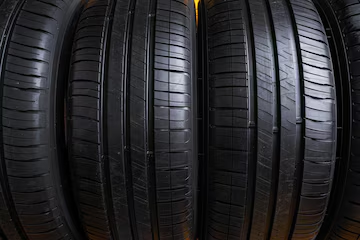
When it comes to vehicles, the tires play a crucial role in ensuring safety and performance on the road. Whether it’s a truck hauling heavy loads or a compact car commuting to work, the type of tire used can impact handling, fuel efficiency, and overall driving experience.
From all-terrain tires for off-road adventures to low-profile tires for sporty cars, there is a wide range of options available to suit different needs and preferences. Understanding the importance of choosing the right tires for your vehicle can help maximize its performance and ensure a smooth and safe ride on any terrain.
Choosing the Right Tires
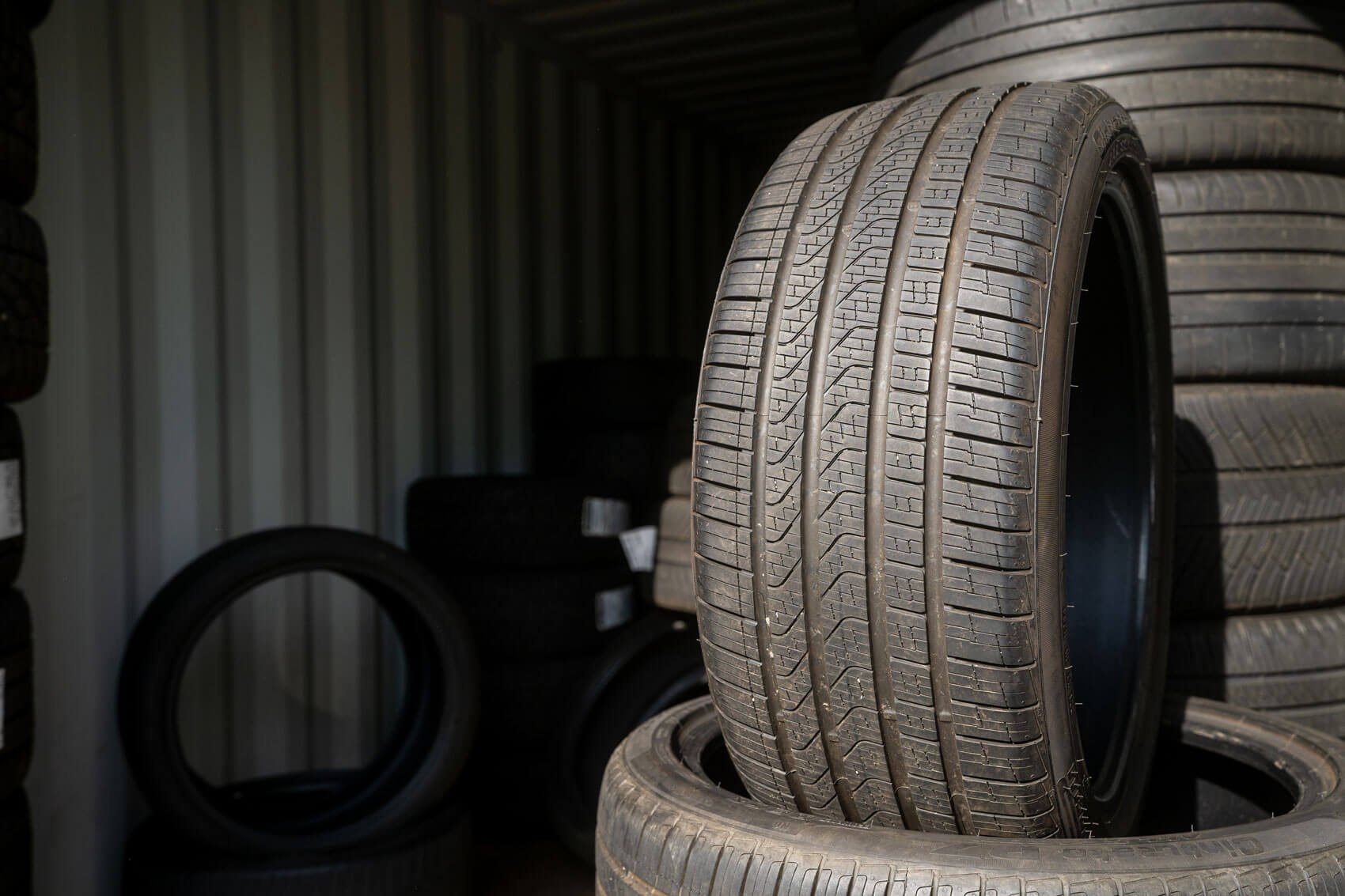
Selecting the appropriate tires for your vehicle involves considering factors such as tread patterns, tire size, and load index. For SUVs or trucks frequently traveling off-road, all-terrain tires with deeper treads are ideal for providing traction on various surfaces. On the other hand, high-performance cars benefit from low-profile tires that enhance handling and responsiveness on paved roads. By understanding your driving habits and terrain preferences, you can make an informed decision about which type of tire will best suit your needs. Get detailed information on tire selection at https://pneusquebec.net/.
Expert Advice and Quality Products
For guidance on selecting the perfect tires for your vehicle, seeking advice from professionals is essential. Websites like https://pneusquebec.net/ offer a wide selection of high-quality tires suited for different vehicles and driving conditions. With their expertise and vast inventory, you can trust that you’ll find the right tires to optimize your vehicle’s performance and safety. Invest in quality tires today to ensure a smooth and hassle-free driving experience on any road.
In conclusion, the importance of choosing the right tires for your vehicle cannot be overstated. Whether you drive a truck or a car, having the appropriate tires can make a significant difference in terms of safety, performance, and overall driving experience. By considering factors such as tread patterns, tire size, and load index, you can select tires that best suit your driving habits and terrain preferences. Seek guidance from professionals and invest in quality products to ensure a smooth and hassle-free journey on any road. Remember, the right tires can make all the difference in enhancing your vehicle’s performance and safety.