
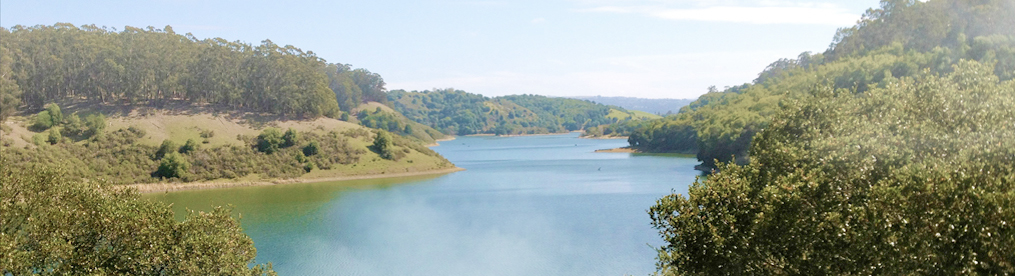
- Stories of learning, teaching, and nature with https://teacherrangerteacher.org build resilient minds for tomorrow
- Cultivating Resilience Through Place-Based Education
- The Role of Storytelling in Building Connection
- Leveraging Outdoor Learning for Cognitive and Emotional Growth
- Creating Safe and Inclusive Outdoor Learning Spaces
- Integrating Environmental Stewardship into the Curriculum
- Promoting Sustainable Practices Through Hands-on Projects
- The Future of Education: Fostering Adaptability and Lifelong Learning
- Beyond the Classroom: Connecting Learning to Life
Stories of learning, teaching, and nature with https://teacherrangerteacher.org build resilient minds for tomorrow
The world is a complex and rapidly changing place, and preparing individuals to navigate its challenges requires more than just traditional academic learning. It necessitates fostering resilience, adaptability, and a deep connection with the natural world. This is the core philosophy behind the resources available at https://teacherrangerteacher.org, a platform dedicated to supporting educators in creating learning experiences that build these crucial skills in students. The approach isn't just about imparting knowledge; it’s about cultivating a mindset that allows learners to thrive in the face of uncertainty and change.
These resources provide innovative methods to integrate outdoor learning and environmental stewardship into the curriculum. The goal is to move beyond rote memorization and encourage critical thinking, problem-solving, and a sense of responsibility towards the planet. By tapping into the power of nature, teachers can inspire students to become engaged, informed, and resilient citizens. The current educational landscape demands this shift, and platforms like this provide the tools and support to make it happen effectively, recognizing that the future depends on nurturing a generation prepared for both academic success and real-world challenges.
Cultivating Resilience Through Place-Based Education
Resilience isn’t simply about bouncing back from adversity; it’s about growing stronger through it. Place-based education, a cornerstone of the approach championed by resources like those found at https://teacherrangerteacher.org, recognizes that learning is most meaningful when it’s rooted in the local environment. When students investigate issues relevant to their own communities – whether it's a local waterway, a nearby forest, or the history of their town – they develop a sense of ownership and responsibility. This ownership fuels engagement and allows them to connect academic concepts to real-world experiences. The impact is far greater than memorizing facts from a textbook; it's about fostering a deeper understanding and appreciation for the world around them.
This type of learning also encourages students to develop problem-solving skills. Local environmental challenges often require complex solutions, forcing students to think critically, collaborate with others, and consider multiple perspectives. This is a crucial skill set for navigating the uncertainties of the future. Furthermore, it instills a sense of agency – the belief that they can make a difference – which is a key component of resilience. It’s about empowering students to become active participants in shaping their own futures and the futures of their communities. The capacity to adapt to change begins with understanding and valuing the place you call home.
The Role of Storytelling in Building Connection
Storytelling is a powerful tool for connecting students to place and fostering empathy. Sharing narratives about the history of a local landscape, the people who have lived there, and the challenges they faced can create a sense of connection and belonging. These stories can be drawn from local oral histories, historical documents, or even the students' own experiences. By listening to and sharing stories, students gain a deeper appreciation for the cultural and natural heritage of their communities. This, in turn, strengthens their sense of identity and purpose. The use of narrative helps students visualize the impacts of environmental change or community development.
Moreover, storytelling encourages students to see themselves as part of a larger narrative, a continuous thread connecting past, present, and future. This perspective can help them understand the long-term consequences of their actions and inspire them to become responsible stewards of the environment. The act of telling stories also allows students to develop their communication skills, creativity, and emotional intelligence, all of which are essential for building resilience. It’s a way to connect knowledge to personal experience, making learning more impactful and memorable.
| Place-Based Education | Develops a sense of ownership and responsibility; Fosters critical thinking and problem-solving skills; Encourages agency and empowerment. |
| Outdoor Learning | Promotes physical and mental well-being; Enhances sensory awareness; Provides opportunities for experiential learning. |
Integrating these approaches can transform the learning environment, fostering a deeper understanding of the interconnectedness between humans and the natural world. This understanding is vital for developing a generation capable of addressing the complex challenges facing our planet.
Leveraging Outdoor Learning for Cognitive and Emotional Growth
The benefits of outdoor learning extend far beyond simply providing a change of scenery. Exposure to nature has been shown to reduce stress, improve attention span, and boost creativity. When students learn in natural environments, they are more likely to be engaged, motivated, and curious. This is because natural environments are inherently stimulating and offer a wealth of opportunities for exploration and discovery. It's a departure from the often-structured and controlled environment of a traditional classroom, allowing for more open-ended learning experiences. Resources available through https://teacherrangerteacher.org offer practical guidance on implementing effective outdoor learning programs.
Furthermore, outdoor learning can foster a sense of wonder and awe, which are powerful catalysts for learning. When students encounter something truly amazing in nature – whether it's a breathtaking vista, a fascinating insect, or a hidden waterfall – it sparks their curiosity and motivates them to learn more. This intrinsic motivation is far more effective than extrinsic rewards and leads to a deeper and more lasting understanding of the world around them. Outdoor learning also provides opportunities for students to develop their physical and social skills, such as teamwork, communication, and problem-solving.
Creating Safe and Inclusive Outdoor Learning Spaces
Ensuring that outdoor learning spaces are safe and inclusive is paramount. This means considering the needs of all students, including those with disabilities or sensory sensitivities. It’s important to carefully assess the environment for potential hazards and to provide appropriate accommodations. Creating accessible trails, providing sensory tools, and offering flexible learning options are all ways to make outdoor learning more inclusive. It's also vital to consider cultural relevance, ensuring that the learning experiences are respectful of diverse backgrounds and perspectives. Every student should feel welcome and empowered to participate fully.
Furthermore, it's crucial to foster a sense of community and belonging in the outdoor learning environment. Encouraging students to collaborate with one another, share their experiences, and support each other’s learning can create a positive and inclusive atmosphere. This also involves creating clear expectations for respectful behavior and addressing any instances of bullying or exclusion. The goal is to create a space where all students feel safe, valued, and empowered to explore, learn, and grow.
- Encourage student-led investigations of the local environment.
- Incorporate storytelling and artistic expression into outdoor activities.
- Partner with local organizations and experts to enrich learning experiences.
- Provide opportunities for students to reflect on their learning and share their insights.
By prioritizing safety, inclusivity, and collaboration, educators can create outdoor learning experiences that are truly transformative for all students. This will help them develop a deeper connection to nature and a stronger sense of belonging to their communities.
Integrating Environmental Stewardship into the Curriculum
Environmental stewardship is about taking responsibility for the health and well-being of the planet. It’s not just about protecting natural resources; it’s about understanding the interconnectedness of all living things and making choices that promote sustainability. Incorporating environmental stewardship into the curriculum can empower students to become active agents of change. By teaching them about the environmental challenges facing our world, and providing them with opportunities to take action, educators can inspire a sense of hope and optimism. The resources at https://teacherrangerteacher.org provide a framework for integrating these principles into various subjects.
This can involve a wide range of activities, from conducting environmental audits of school buildings to participating in local conservation projects. It can also involve learning about sustainable practices, such as reducing waste, conserving water, and using renewable energy. The key is to make environmental stewardship relevant to students' lives and to empower them to make a difference in their own communities. This is not about simply lecturing students on environmental problems, but rather about providing them with the tools and opportunities to become part of the solution. It's about fostering a sense of responsibility and inspiring them to take action.
Promoting Sustainable Practices Through Hands-on Projects
Hands-on projects are a powerful way to engage students in environmental stewardship. These projects can range from creating school gardens to organizing recycling programs to restoring local habitats. By actively participating in these projects, students learn firsthand about the challenges and rewards of environmental stewardship. They also develop valuable skills, such as teamwork, problem-solving, and critical thinking. These experiences can be incredibly empowering and can inspire students to pursue further involvement in environmental issues.
Moreover, hands-on projects provide opportunities for students to connect with their communities and to collaborate with local organizations. This can broaden their perspectives and help them understand the importance of working together to address environmental challenges. It's also a way to build social capital and to create a sense of collective responsibility. Sustainable practices aren’t just about protecting the environment; they're about building stronger, more resilient communities.
- Conduct a waste audit to identify areas for improvement.
- Implement a school-wide recycling program.
- Create a compost system for food waste.
- Plant a native garden to support pollinators.
These steps, and others like them, are vital in creating a culture of sustainability and empowering students to become responsible stewards of the environment.
The Future of Education: Fostering Adaptability and Lifelong Learning
The skills needed to thrive in the 21st century are constantly evolving. Traditional education models often focus on memorizing facts and figures, but they may not adequately prepare students for the challenges of a rapidly changing world. The future of education lies in fostering adaptability, critical thinking, and a lifelong love of learning. This means shifting away from a teacher-centered approach and towards a more student-centered, inquiry-based model. The work of organizations highlighted by https://teacherrangerteacher.org contributes significantly to this vital shift.
This also means embracing interdisciplinary learning, connecting concepts across different subjects, and providing opportunities for students to apply their knowledge to real-world problems. It’s about empowering students to become self-directed learners who are capable of navigating complexity and ambiguity. Furthermore, it’s about fostering creativity, innovation, and a willingness to take risks. The goal is to equip students with the skills and mindset they need to succeed in any field they choose, and to adapt to whatever challenges they may encounter.
Beyond the Classroom: Connecting Learning to Life
The most impactful learning often happens outside the confines of the traditional classroom. By connecting learning to real-world experiences, educators can make it more relevant, engaging, and meaningful for students. This can involve field trips to local businesses, volunteer opportunities in the community, or collaborations with scientists and artists. The principle is to bridge the gap between theory and practice, and to allow students to apply their knowledge in authentic contexts. This approach also highlights the importance of mentorship and real-world application.
It's also crucial to cultivate a growth mindset – the belief that abilities can be developed through dedication and hard work. When students believe that they can learn and grow, they are more likely to persevere in the face of challenges and to embrace new opportunities. By fostering a culture of lifelong learning, we can empower students to become active, informed, and engaged citizens who are prepared to contribute to a better future, continuously learning and adapting to an evolving world.